Ballistics reports can become a central piece of evidence in South Beach firearm prosecutions. When a gun is allegedly discharged during an incident involving Firearm Violations or broader Violent Personal Crimes, prosecutors often rely on forensic firearm analysis to strengthen their case. However, ballistics evidence is technical, complex, and not always definitive. Jonathan Jay Kirschner, Esq., & Associates carefully examines ballistics reports to identify weaknesses, testing errors, and assumptions that may affect the outcome.
In South Beach, gun-related arrests typically proceed through Miami-Dade criminal courts. When prosecutors claim a firearm was used in a shooting, assault, or other violent allegation, forensic reports may shape both charging decisions and trial strategy.
What Is a Ballistics Report?
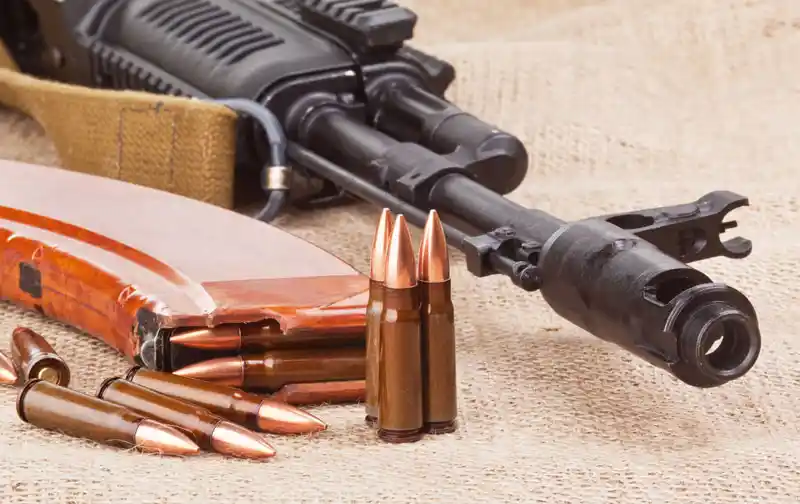
A ballistics report is a forensic document prepared by a firearm examiner. It analyzes physical evidence such as:
- Bullets recovered from a scene
- Spent shell casings
- Firearms allegedly used
- Gunshot residue
- Trajectory patterns
The purpose is to determine whether a specific firearm fired a particular bullet or casing. Examiners compare markings left on bullets and casings with test-fired samples from the seized weapon.
In cases involving Aggravated Assault with a Deadly Weapon, armed robbery, or alleged shootings, prosecutors often rely heavily on these reports.
How Ballistics Evidence Is Collected
Before a ballistics report is created, officers must properly collect and preserve evidence. This process may include:
- Photographing the scene
- Collecting bullets and casings
- Securing the firearm
- Documenting the weapon’s condition
- Maintaining chain-of-custody records
If evidence is mishandled or contaminated, the reliability of the ballistics analysis may be compromised.
In South Beach investigations—particularly those involving nightlife or crowded public spaces—scene contamination risks can increase.
What Prosecutors Try to Prove
Prosecutors use ballistics reports to argue that:
- The defendant’s firearm discharged the bullet
- The weapon was operable
- The accused possessed the firearm
- The shooting occurred as alleged
- The trajectory supports the victim’s account
In Violent Personal Crimes, such forensic links can appear highly persuasive to jurors.
However, ballistics analysis is not infallible.
Limitations of Ballistics Reports
Although ballistics experts often testify confidently, their conclusions are based on comparison techniques that involve interpretation.
Defense challenges may focus on:
- Subjective comparison methods
- Lack of clear documentation
- Insufficient test-firing samples
- Inconclusive or overstated findings
- Inadequate peer review
- Improper chain-of-custody procedures
For example, an examiner may state that markings are “consistent with” a firearm rather than conclusively matched. That distinction matters in court.
Ballistics in Self-Defense Cases
In some South Beach cases, the defense does not dispute that a firearm was discharged. Instead, the legal issue centers on justification.
If a defendant claims self-defense in a Violent Personal Crimes case, ballistics reports may influence arguments about:
- Distance between parties
- Angle of discharge
- Number of shots fired
- Sequence of events
Trajectory analysis can either support or contradict a self-defense claim. Therefore, careful review is essential.
Gunshot Residue Testing
Ballistics reports may also include gunshot residue (GSR) analysis. GSR testing attempts to determine whether someone recently discharged a firearm.
However, GSR evidence has limitations. Residue can transfer between individuals or surfaces. Additionally, the absence of residue does not necessarily prove a firearm was not fired.
Defense attorneys often scrutinize how and when testing occurred.
When Firearms Are Found in Shared Spaces
If a firearm is discovered in a shared vehicle or residence, ballistics reports alone do not prove possession. Prosecutors must still establish knowledge and control.
In cases overlapping with Domestic Violence, Drug Possession Case investigations, or alleged confrontations in South Beach nightlife areas, the firearm’s presence may complicate multiple charges.
The defense must separate forensic analysis from assumptions about ownership or intent.
Why Early Legal Review Matters
Ballistics reports often influence plea negotiations and trial preparation. Once prosecutors present forensic conclusions, they may push for harsher outcomes.
Early legal representation allows an attorney to:
- Request independent forensic review
- Challenge improper testing
- Examine chain-of-custody records
- Cross-examine expert witnesses effectively
- Evaluate whether conclusions are overstated
Because forensic findings can shape jury perception and long-term impact, strategic analysis is critical.
Speak With a South Beach Firearm Defense Attorney
Jonathan Jay Kirschner, Esq., & Associates represents clients facing Firearm Violations and other Violent Personal Crimes throughout South Beach, Fort Pierce, Port St. Lucie, Stuart, Vero Beach, Okeechobee, Hutchinson Island, Martin County, and Indian River County.
Whether your case involves alleged discharge of a weapon, Aggravated Assault with a Deadly Weapon, or related criminal charges, the firm focuses on challenging forensic evidence and protecting your future.
Jonathan Jay Kirschner, Esq., & Associates is committed to providing aggressive, personalized criminal defense throughout the Treasure Coast.
📞 Schedule a confidential consultation today.
📍 Speak directly with an experienced criminal defense attorney.
⚖️ Get immediate legal guidance to protect your rights and your future.