Facing gun charges in Port St Lucie can feel intimidating, especially when your freedom, firearm rights, employment, reputation, and future are at risk. Court proceedings may move quickly, and every hearing can affect the direction of the case. Working with Jonathan Jay Kirschner, Esq., & Associates early can help you understand what to expect, avoid costly mistakes, and build a defense strategy focused on protecting your rights.
Why Gun Charges Are Serious
Gun charges can involve many different allegations. Some cases begin with a traffic stop, while others start with a search warrant, Domestic Violence call, public confrontation, or accusation involving threats.
In Port St Lucie, gun cases may involve:
- Firearm Violations
- Unlawful possession
- Unlawful display of a firearm
- Aggravated Assault with a Deadly Weapon
- Domestic Violence firearm allegations
- Violent Personal Crimes
- Drug Possession Case arrests involving firearms
Because firearms raise public safety concerns, prosecutors and judges may treat these cases aggressively. Therefore, early preparation matters.
First Appearance and Bond
After an arrest, the first major court event is often the first appearance. During this hearing, the judge may review the arrest, address bond, and set release conditions.
The court may order:
- No contact with an alleged victim
- No firearm possession
- Pretrial supervision
- Travel restrictions
- Drug or alcohol testing
- GPS monitoring
- Higher bond in serious cases
If the charge involves Domestic Violence, threats, or Aggravated Assault with a Deadly Weapon, the judge may impose stricter conditions. As a result, defendants must understand every court order before leaving custody.
Arraignment and Formal Charges
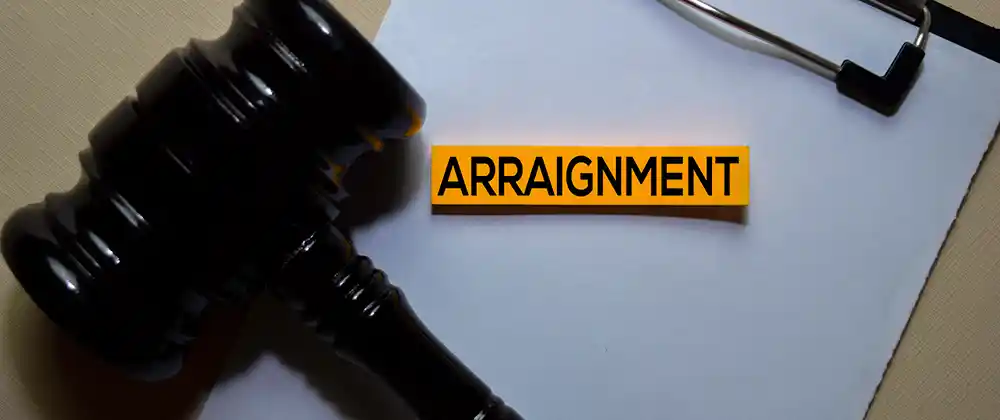
At arraignment, the court formally addresses the charges. The defendant may enter a plea, usually not guilty at this stage, while the defense reviews the evidence and prepares the case.
However, the arraignment is not the time to explain everything to the judge. Instead, the defense uses this stage to protect rights, request discovery, and begin building a strategy.
Formal charges may differ from the original arrest. Prosecutors may file more serious charges, reduce allegations, or decline certain counts depending on the evidence.
Discovery and Evidence Review
Discovery is the process where the prosecution provides evidence to the defense. This stage is critical in gun cases because prosecutors must prove more than suspicion.
The defense may review:
- Police reports
- Body camera footage
- 911 recordings
- Search warrant documents
- Photos from the scene
- Firearm ownership records
- Witness statements
- Fingerprint or DNA evidence
- Text messages or digital evidence
- Drug-related evidence, when relevant
Additionally, the defense may examine whether police lawfully stopped, searched, questioned, or arrested the accused.
Motions Before Trial
Legal motions can strongly affect gun charges. A defense attorney may ask the court to suppress evidence, dismiss charges, exclude improper statements, or limit unfair testimony.
For example, if police found a firearm during an unlawful search, the defense may move to suppress the gun. If the judge grants the motion, prosecutors may lose key evidence.
Motions may also challenge whether the accused actually possessed the firearm, whether witnesses gave reliable statements, or whether the prosecution can prove every required element.
Court Hearings and Negotiations
Most gun cases include several court hearings before trial. During these hearings, attorneys may discuss discovery, motions, plea negotiations, witness issues, and trial readiness.
Negotiations may involve:
- Reduced charges
- Dismissal of certain counts
- Removal of firearm enhancements
- Probation options
- Treatment or counseling programs
- Avoiding jail where possible
Still, no defendant should accept an offer without understanding the long-term consequences. A plea can affect firearm rights, immigration status, employment, housing, and future criminal exposure.
Trial Preparation
If the case does not resolve, the defense prepares for trial. Trial preparation may include interviewing witnesses, reviewing videos, preparing cross-examination, organizing evidence, and developing a clear defense theory.
Common defenses may include:
- Lack of possession
- Illegal search or seizure
- Lawful possession
- Self-defense
- No intent to threaten
- Mistaken identity
- Weak or inconsistent witness statements
- No connection between the firearm and the alleged crime
Careful legal preparation can help determine which defenses fit the facts.
What Happens at Trial
At trial, the prosecution must prove the case beyond a reasonable doubt. The process may include jury selection, opening statements, witness testimony, cross-examination, evidence presentation, closing arguments, and jury deliberation.
In gun cases, prosecutors may focus on where police found the firearm, who had access to it, whether the accused made statements, and whether witnesses saw the gun displayed or used.
The defense may challenge every weak point. For example, if multiple people had access to the firearm, the defense may argue that prosecutors cannot prove possession. If the firearm was allegedly used during a confrontation, the defense may raise self-defense or lack of intent.
Sentencing Risks if Convicted
If convicted, the defendant may face serious penalties. Consequences may include jail or prison, probation, fines, court costs, firearm restrictions, a permanent record, and long-term employment problems.
Sentencing may become more serious if the case involves Aggravated Assault with a Deadly Weapon, Domestic Violence, prior criminal history, or related Violent Personal Crimes.
However, strong defense work before sentencing may help present mitigation, challenge enhancements, and pursue reduced penalties.
Local Defense for Port St Lucie Gun Charges
Jonathan Jay Kirschner, Esq., & Associates represents clients facing firearm charges throughout Port St Lucie, Fort Pierce, Stuart, Vero Beach, Okeechobee, Hutchinson Island, Martin County, Indian River County, and South Beach.
Port St Lucie gun cases can move quickly, especially when they involve traffic stops, search warrants, Domestic Violence allegations, or firearm-related threats. Because of that, early legal action can make a meaningful difference.
Speak With a Port St Lucie Gun Defense Attorney
Court for gun charges can involve bond hearings, arraignment, discovery, motions, negotiations, trial preparation, and sentencing risks. The right defense can challenge weak evidence, unlawful searches, false assumptions, and unsupported firearm allegations.
Jonathan Jay Kirschner, Esq., & Associates is committed to providing aggressive, personalized criminal defense throughout the Treasure Coast.
📞 Schedule a confidential consultation today.
📍 Speak directly with an experienced criminal defense attorney.
⚖️ Get immediate legal guidance to protect your rights and your future.