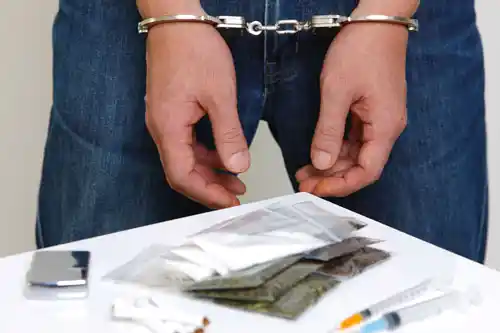
A battery arrest can turn your life upside down in a matter of minutes. One moment everything seems normal, and the next, you are in handcuffs facing serious criminal charges. If this has happened to you in Martin County, understanding what comes next is critical.
Strong battery defense starts the moment you are arrested — not when you walk into a courtroom. Therefore, knowing the steps in the process gives you a real advantage. The decisions you make early can shape the outcome of your entire case.
At Jonathan Jay Kirschner, Esq., & Associates, LLC, our team is available 24 hours a day, seven days a week. We serve clients throughout Martin County, Fort Pierce, Stuart, Hobe Sound, and Port St. Lucie. We are here to fight for you from day one.
Understanding Battery Charges in Florida
Florida law defines battery as intentionally touching or striking another person against their will. It also includes intentionally causing bodily harm to another person. However, not every physical altercation is the same under the law.
Battery charges range from misdemeanor to felony depending on the circumstances. For example, a first-time simple battery charge is typically a first-degree misdemeanor. On the other hand, aggravated battery involving a weapon or serious injury is a second-degree felony.
Simple Battery vs. Aggravated Battery
Simple battery involves unwanted physical contact or minor harm. It carries penalties including up to one year in jail and fines. Aggravated battery involves the use of a deadly weapon or causes great bodily harm. This charge can result in up to 15 years in prison.
Additionally, domestic battery carries its own set of consequences. A conviction can affect your custody rights, housing options, and employment. Because of this, acting quickly to build a strong defense is essential.
Who Gets Charged With Battery in Martin County?
Battery charges can happen to anyone. Arguments that escalate at a local bar in Stuart, a dispute at a Jensen Beach community event, or a domestic disagreement at home can all lead to an arrest. First-time offenders and those with prior records face very different legal paths.
Moreover, law enforcement sometimes makes arrests based on incomplete information. One side of the story gets told, and the other goes unheard. That is exactly why having experienced legal representation matters so much.
What Happens Immediately After a Battery Arrest
After an arrest in Martin County, you will be transported to the Martin County Jail for booking. During booking, officers record your personal information, take fingerprints, and photograph you. This process can take several hours.
Next, you will likely appear before a judge at a first appearance hearing. This usually happens within 24 hours of your arrest. The judge will review your charges and set bail conditions at this hearing.
The First Appearance Hearing
At the first appearance, the judge considers whether to release you on your own recognizance or set a bail amount. They also review whether a no-contact order is appropriate. In domestic battery cases, a no-contact order is almost always issued automatically.
Furthermore, this hearing is one of the most important early stages of your case. Having an attorney present — or one who has already been in contact with your family — can make a significant difference. Contact JKJ as soon as possible after an arrest to make sure your rights are protected from the very beginning.
Bail and Release Conditions
Bail amounts in Martin County vary based on charge severity, your criminal history, and ties to the community. Simple battery charges may result in lower bail amounts. Aggravated battery charges, however, often lead to higher bail or even pretrial detention.
In addition, the judge may impose conditions such as staying away from the alleged victim. Violating these conditions can result in additional charges and immediate re-arrest. Therefore, following all release conditions precisely is absolutely critical.
The Criminal Court Process in Martin County
After your release, the state attorney’s office reviews the arrest report and decides whether to file formal charges. This is called the charging decision. The state may file charges, reduce them, or decline to prosecute altogether.
If formal charges are filed, you will be scheduled for an arraignment. At arraignment, you formally enter a plea of guilty, not guilty, or no contest. Most defendants plead not guilty at this stage to preserve all defense options.
Pre-Trial Motions and Discovery
After arraignment, your attorney begins gathering evidence through a process called discovery. This includes police reports, witness statements, video footage, and medical records. Your defense team reviews every detail carefully to identify weaknesses in the prosecution’s case.
Pre-trial motions are also filed during this phase. For example, if law enforcement obtained evidence through an illegal search, your attorney can file a motion to suppress that evidence. Successfully suppressing key evidence can dramatically change the outcome of your case.
Plea Negotiations
Many battery cases in Martin County resolve through plea negotiations rather than trial. The prosecution may offer reduced charges or a lighter sentence in exchange for a guilty plea. However, accepting a plea is a significant decision that should never be made without experienced legal guidance.
At JKJ, we carefully evaluate every plea offer against the strength of the evidence. We explain the pros and cons of each option honestly and thoroughly. Ultimately, the decision is always yours — but we make sure it is a fully informed one.
Building a Strong Battery Defense Strategy
An effective battery defense is built on facts, evidence, and strategy. Every case is different, and the right approach depends entirely on the specific circumstances. Our team investigates every angle to find the strongest path forward for you.
Several common defenses apply in battery cases throughout Florida. These include self-defense, defense of others, consent, and lack of intent. Additionally, mistaken identity and false allegations are more common than many people realize.
Self-Defense and Stand Your Ground
Florida’s Stand Your Ground law gives individuals the right to defend themselves without retreating. If you reasonably believed you were in danger, you may have a valid self-defense claim. This defense can apply in a wide range of situations, from altercations in Hobe Sound to disputes in Port St. Lucie neighborhoods.
Furthermore, the Stand Your Ground law can be raised in a pre-trial immunity hearing. If the judge grants immunity, the charges are dismissed before trial. This makes early and thorough investigation especially important.
Challenging the Evidence
Law enforcement does not always gather evidence correctly. Body camera footage may be missing or incomplete. Witness accounts can be inconsistent or biased. Because of this, a careful review of all evidence often reveals critical issues with the prosecution’s case.
Our attorneys work closely with investigators and experts to scrutinize every piece of evidence. We look for procedural errors, constitutional violations, and factual inconsistencies. These findings can form the foundation of a powerful defense.
Potential Penalties and Long-Term Consequences
A battery conviction in Florida carries consequences that extend well beyond jail time or fines. Your record follows you into job applications, housing decisions, and professional licensing reviews. Moreover, non-citizens may face immigration consequences including deportation.
For domestic battery convictions specifically, Florida law prohibits expungement. This means the conviction stays on your record permanently. Therefore, fighting the charges — rather than simply accepting a plea — is often the smartest long-term decision.
Potential penalties for battery in Florida include:
- Up to one year in jail for first-degree misdemeanor battery
- Up to five years in prison for felony battery
- Up to 15 years in prison for aggravated battery
- Probation, community service, and mandatory counseling
- Loss of firearm rights for certain convictions
- Permanent impact on professional licenses and certifications
Why Choose JKJ for Your Battery Defense
Jonathan Jay Kirschner, Esq. brings more than 30 years of experience defending clients against criminal charges in Florida. Our team understands the procedures and practices of Martin County judges and prosecutors. This knowledge helps us anticipate the state’s strategy and counter it effectively.
We serve clients in Fort Pierce, Stuart, Jensen Beach, Hobe Sound, and communities throughout the Treasure Coast. We know the local courts, the local prosecutors, and the local legal landscape. Additionally, our attorneys are available around the clock so you never face a crisis alone.
No matter the circumstances of your case, we believe you deserve the strongest possible defense. We fight aggressively and tirelessly for your rights, your freedom, and your future. Talk with a legal expert at JKJ today and take the first step toward protecting yourself.
Frequently Asked Questions About Battery Arrests in Martin County
Can battery charges be dropped in Florida?
Yes, battery charges can be dropped or reduced. The state attorney makes the final charging decision. However, having strong legal representation significantly increases the likelihood of a favorable outcome.
What should I do immediately after a battery arrest?
Stay calm and do not make any statements to law enforcement without an attorney present. Contact a criminal defense lawyer as soon as possible. Early legal intervention gives your defense team the best opportunity to act.
Does the victim get to decide whether charges are filed?
In Florida, the state — not the victim — decides whether to press charges. Even if the alleged victim does not want to pursue the case, the prosecutor can still move forward. Therefore, you need a defense attorney regardless of what the alleged victim says.
Can I seal or expunge a battery charge from my record?
In some cases, yes. Simple battery charges that do not result in conviction may be eligible for sealing or expungement. Domestic battery convictions, however, are not eligible under Florida law. An attorney can review your record and explain your options.
How long does a battery case take to resolve in Martin County?
Timelines vary based on the complexity of the case and court scheduling. Misdemeanor cases may resolve in a few months. Felony battery cases can take considerably longer. Your attorney will keep you informed throughout every stage of the process.
Contact JKJ for Experienced Battery Defense in Martin County
A battery arrest is serious — but it does not have to define your future. The right legal team can make all the difference in the outcome of your case. At Jonathan Jay Kirschner, Esq., & Associates, LLC, we are ready to stand by your side from the moment you call.
We serve clients across Martin County, Fort Pierce, Stuart, Port St. Lucie, and the surrounding Treasure Coast communities. Our attorneys are available 24/7 to take your call and begin building your defense immediately. Do not wait to get the help you need.
Contact JKJ today to request a consultation and start protecting your rights with a dedicated, experienced criminal defense team.