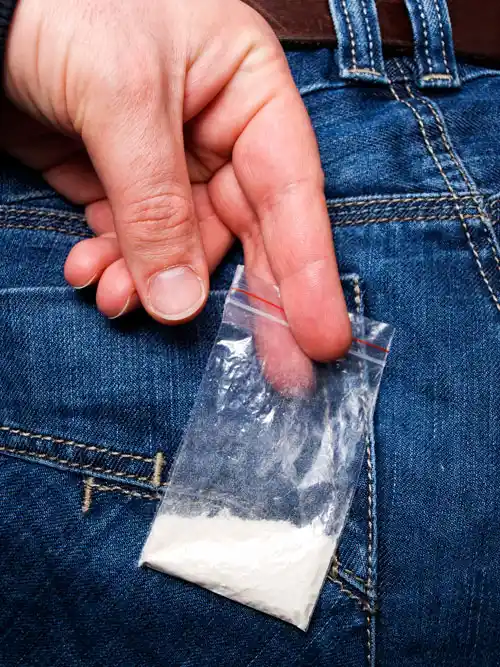
A criminal conviction does not always have to be the final word. Many people in South Beach, Fort Pierce, and across St. Lucie County wonder whether they can reduce or modify charges after sentencing. The answer is: sometimes, yes — and criminal defense attorneys can play a critical role in making that happen.
Post-conviction relief is a legal process that allows certain individuals to challenge their conviction or sentence. However, it is not available in every case. Therefore, understanding your eligibility and options is essential before moving forward.
If you or a loved one is seeking post-conviction relief in the South Beach area or anywhere in Fort Pierce, the JKJ legal team is here to help. Contact JKJ today to explore your legal options with an experienced attorney.
What Is Post-Conviction Relief?
Post-conviction relief refers to legal remedies available after a criminal case has concluded. These remedies allow defendants to revisit their case under specific circumstances. Additionally, they can sometimes lead to reduced charges, modified sentences, or even overturned convictions.
In Florida, there are several types of post-conviction relief. Each one serves a different purpose and comes with its own requirements. Because of this, it is important to work with a skilled attorney who understands which option applies to your situation.
Common Types of Post-Conviction Relief in Florida
- Motion for Post-Conviction Relief (Rule 3.850): This allows defendants to challenge convictions based on new evidence or constitutional violations.
- Motion to Correct Illegal Sentence (Rule 3.800): This addresses sentencing errors that may have resulted in an unlawful punishment.
- Appeal: A direct appeal challenges legal errors made during the trial or sentencing.
- Habeas Corpus Petition: This challenges the lawfulness of a person’s detention or imprisonment.
- Clemency or Pardon: These are executive actions that can reduce or eliminate a sentence.
Furthermore, Florida also allows certain individuals to seek sentence modifications in limited circumstances. Therefore, speaking with a criminal defense lawyer right away gives you the best chance of identifying available options.
Can Charges Actually Be Reduced After Conviction?
This is one of the most common questions attorneys hear from clients in South Beach and the greater Fort Pierce area. The short answer is: it depends on the facts of your case. However, there are real pathways that can lead to reduced charges or lighter sentences.
For example, if new evidence comes to light that was not available at trial, a court may reconsider the conviction. Similarly, if your attorney at the time made serious errors, you may have grounds for relief based on ineffective assistance of counsel.
Grounds That May Support a Reduction in Charges
There are several recognized legal grounds that courts consider when reviewing post-conviction petitions. These include:
- Newly discovered evidence that could not have been found earlier with due diligence
- Ineffective assistance of counsel that prejudiced the outcome of the case
- Constitutional violations during the arrest, investigation, or trial
- Prosecutorial misconduct that affected the fairness of the proceedings
- Changes in the law that retroactively affect the charges or sentence
Moreover, Florida courts have recognized that justice sometimes requires a second look. As a result, post-conviction petitions filed with strong legal support can make a real difference.
How the Process Works in St. Lucie County
Filing for post-conviction relief in St. Lucie County requires careful attention to deadlines, procedures, and court rules. First, your attorney will review the full record of your case. Next, they will identify any viable legal grounds for relief.
Then, a formal motion or petition is filed with the appropriate court. The prosecution typically has the opportunity to respond. After that, a judge may hold a hearing or rule based on the written filings alone.
Strict Deadlines Apply
Time is a critical factor in post-conviction cases. For example, a Rule 3.850 motion must generally be filed within two years of the conviction becoming final. However, there are exceptions for newly discovered evidence or newly established constitutional rights.
Because of this, it is vital to consult with an attorney as soon as possible. Waiting too long can close the door on otherwise valid claims. The JKJ team serves clients throughout Fort Pierce, Port St. Lucie, Stuart, Jensen Beach, and surrounding communities.
The Role of a Criminal Defense Attorney in Post-Conviction Cases
A strong criminal defense attorney does not stop fighting when the trial ends. On the other hand, they understand that the post-conviction phase can be just as important as the trial itself. The JKJ team has more than 30 years of experience navigating Florida’s criminal courts.
Additionally, our attorneys know the procedures and expectations of St. Lucie County judges. This knowledge helps us build targeted, compelling arguments for post-conviction relief. We work closely with investigators and experts to uncover facts that can support your petition.
What Our Team Does for You
- Conducts a thorough review of your trial record and sentencing documents
- Identifies all available grounds for post-conviction relief
- Files timely and properly formatted motions with the court
- Represents you at post-conviction hearings
- Explores alternative remedies such as clemency or sentence modification
Furthermore, we explain every step of the process in plain language. You will never feel lost or confused about where your case stands. Request a consultation with the JKJ team to get a clear picture of your options.
South Beach and Fort Pierce: Local Context Matters
South Beach is a vibrant community within Fort Pierce, known for its coastal lifestyle and tight-knit neighborhoods. However, like any community, residents here sometimes face difficult legal situations. Therefore, having a local attorney who understands the local courts is a significant advantage.
The JKJ team has deep roots in Fort Pierce and St. Lucie County. We understand how local prosecutors approach post-conviction petitions. Moreover, we know the tendencies of local judges and how to present arguments most effectively in this jurisdiction.
We also serve clients in nearby communities such as Port St. Lucie, Stuart, Jensen Beach, and Hutchinson Island. No matter where you are in the Treasure Coast region, our team is available 24 hours a day, seven days a week.
Practical Tips for Those Seeking Post-Conviction Relief
If you believe you may have grounds for post-conviction relief, there are several practical steps you can take right now. First, gather all documents related to your case, including trial transcripts and sentencing records. Next, write down any information about new evidence or issues you believe were mishandled.
Then, contact an experienced criminal defense attorney as soon as possible. Additionally, avoid discussing your case publicly or on social media, as this could affect your petition. Finally, be patient — post-conviction cases can take time, but the right legal team will keep you informed throughout.
- Act quickly to meet filing deadlines
- Preserve all case-related documents and communications
- Avoid making statements about your case without legal guidance
- Trust the process and stay in close contact with your attorney
Frequently Asked Questions About Post-Conviction Relief
Can I reduce my charges after already being convicted in Florida?
In some cases, yes. Post-conviction relief motions, appeals, and other legal remedies may lead to reduced charges or sentences. However, eligibility depends on the specific facts and legal grounds in your case. Therefore, consulting with an attorney is the best first step.
How long do I have to file for post-conviction relief in Florida?
Generally, a Rule 3.850 motion must be filed within two years of the conviction becoming final. However, exceptions exist for newly discovered evidence or changes in constitutional law. Because of this, it is important to act quickly and not delay seeking legal help.
What happens at a post-conviction relief hearing?
At a post-conviction hearing, your attorney presents arguments supporting your petition. The prosecution has a chance to respond. Then, the judge decides whether to grant relief, which may include a new trial, reduced charges, or a modified sentence.
Does post-conviction relief mean I get a new trial?
Not necessarily. The outcome depends on the type of relief granted. For example, some motions result in a new trial, while others lead to a corrected sentence or reduced charges without a retrial. Your attorney will help you understand what to expect.
Is a post-conviction attorney different from a trial attorney?
The skills required overlap significantly, but post-conviction work requires deep knowledge of appellate procedure and constitutional law. Moreover, having a fresh set of experienced eyes on your case can be a major advantage. The JKJ team handles both trial and post-conviction representation.
Talk With a Legal Expert at JKJ Today
Facing a conviction does not have to mean giving up hope. There are real legal options available, and an experienced criminal defense team can help you pursue them effectively. The attorneys at Jonathan Jay Kirschner, Esq., & Associates are ready to fight for you at every stage of the process.
We proudly serve clients in South Beach, Fort Pierce, Port St. Lucie, Stuart, Jensen Beach, and across the Treasure Coast. We are available 24/7 and offer compassionate, skilled representation tailored to your unique situation.
Do not wait to explore your post-conviction options. Contact JKJ today to schedule a consultation and take the first step toward protecting your freedom and your future.