Facing a drug possession charge in Stuart, Florida can feel overwhelming. The outcome of your case often depends heavily on the evidence involved. Understanding how that evidence works can make a real difference in how you approach your defense.
Evidence is the foundation of any criminal case. Therefore, knowing what types of evidence prosecutors use — and how to challenge them — is essential. Whether you are in Stuart, Port St. Lucie, Fort Pierce, or Jensen Beach, the same legal principles apply throughout the Treasure Coast region.
At Jonathan Jay Kirschner, Esq., & Associates, LLC, we have helped clients navigate complex drug possession cases for more than 30 years. Our team is ready to review the evidence in your case and build the strongest possible defense for you.
What Types of Evidence Appear in Drug Possession Cases?
Prosecutors rely on several types of evidence to build a drug possession case. Understanding each type helps you see where your defense attorney can challenge the state’s case.
Physical Evidence
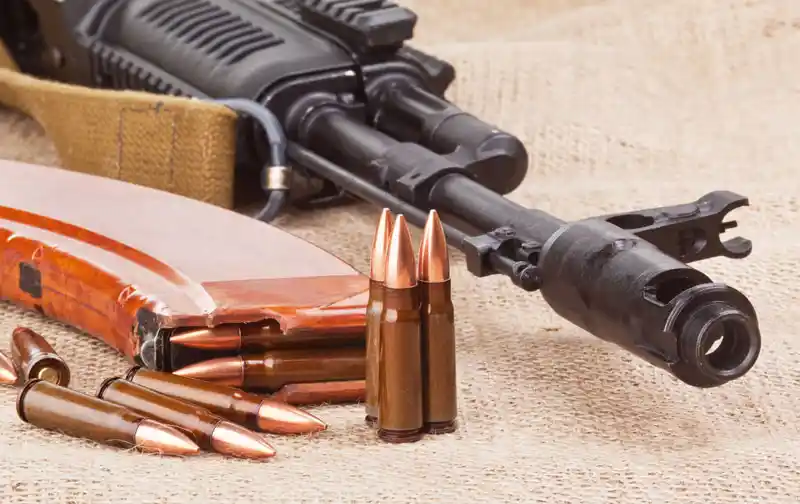
Physical evidence is the most common type used in drug possession cases. This includes the alleged controlled substance itself, drug paraphernalia, and any containers or packaging found at the scene. However, physical evidence is only valid if it was collected lawfully.
If law enforcement gathered the evidence through an unlawful search or seizure, your attorney may file a motion to suppress it. As a result, the prosecution’s case could weaken significantly. This is one of the most powerful tools a skilled defense lawyer can use.
Testimonial Evidence
Officers and witnesses often testify about what they observed. For example, a police officer might describe the circumstances of your traffic stop or arrest. Additionally, informants or other witnesses may offer statements that the prosecution uses against you.
Testimonial evidence can be challenged in many ways. Credibility, memory, and motive all play a role. Therefore, your attorney will carefully examine each witness’s background and the consistency of their statements.
Digital and Documentary Evidence
Text messages, phone records, and surveillance footage are increasingly used in drug possession cases. Prosecutors may argue that this digital evidence shows intent or knowledge. On the other hand, digital evidence can also be misinterpreted or taken out of context.
Your defense attorney will review all documentary evidence carefully. Furthermore, they may work with digital forensics experts to challenge the accuracy or relevance of this material.
How Law Enforcement Collects Evidence — and Why It Matters
The way police collect evidence is just as important as the evidence itself. Law enforcement must follow strict constitutional rules during searches and seizures. When officers violate those rules, the evidence they collect may be thrown out.
Search and Seizure Laws in Florida
The Fourth Amendment protects you from unreasonable searches and seizures. In Florida, police generally need a valid warrant to search your home, vehicle, or belongings. However, there are exceptions, such as consent searches or searches incident to a lawful arrest.
Many drug possession cases in Stuart and throughout Martin County involve traffic stops. If an officer pulled you over without a valid reason, any evidence found during that stop may be inadmissible. Because of this, your attorney will closely examine the circumstances of your stop or arrest.
Chain of Custody Issues
Evidence must be properly handled from the moment it is collected to the time it appears in court. This is known as the chain of custody. Any break in this chain can raise serious doubts about the evidence’s integrity.
For instance, if a substance was not properly labeled, stored, or transferred, your attorney can argue that the evidence has been compromised. Moreover, laboratory testing procedures must meet strict standards. Errors in testing can also undermine the prosecution’s case.
How Evidence Can Affect the Outcome of Your Case
The strength of the evidence against you directly affects how your case unfolds. Additionally, the type and quality of evidence can influence whether your attorney negotiates a plea deal or takes your case to trial.
Weak Evidence and Plea Negotiations
When the evidence against you is weak or questionable, prosecutors may be more willing to negotiate. Your attorney can use evidentiary weaknesses as leverage to secure a more favorable outcome. For example, a charge might be reduced or even dismissed if key evidence is suppressed.
This is why early legal intervention is so important. Therefore, if you are facing a drug possession charge in Stuart, Hobe Sound, or anywhere on the Treasure Coast, you should contact a defense attorney as soon as possible.
Strong Evidence and Trial Strategy
When the prosecution has strong evidence, a skilled defense attorney will look for other ways to protect you. This might include challenging the legality of the search, questioning witness credibility, or presenting alternative explanations for the evidence. Furthermore, your attorney may work with expert witnesses to counter the state’s claims.
At Jonathan Jay Kirschner, Esq., & Associates, LLC, we know the procedures and practices of Martin County and St. Lucie County courts. As a result, we can anticipate how prosecutors think and respond strategically on your behalf.
Common Defense Strategies in Drug Possession Cases
No two drug possession cases are exactly alike. However, experienced defense attorneys frequently use certain strategies to protect their clients.
- Challenging the legality of the search: If police lacked a valid warrant or probable cause, the evidence may be suppressed.
- Disputing ownership or knowledge: Prosecutors must prove you knowingly possessed the substance. If the drugs were found in a shared space, ownership can be difficult to prove.
- Questioning the substance’s identity: Lab results must confirm that the substance is actually an illegal drug. Errors in testing can be challenged.
- Attacking chain of custody: Any mishandling of evidence from collection to courtroom can raise reasonable doubt.
- Challenging witness credibility: Informants or witnesses may have reasons to lie or exaggerate. Your attorney will expose inconsistencies in their statements.
Additionally, your attorney may explore diversion programs or treatment-based alternatives, depending on the facts of your case. In some situations, these options can help you avoid a conviction altogether.
Why Hiring an Experienced Defense Attorney Matters
Navigating a drug possession case on your own is extremely risky. The criminal justice system is complex, and the stakes are high. A conviction can affect your employment, housing, and future opportunities for years to come.
Jonathan Jay Kirschner, Esq., brings more than 30 years of criminal defense experience to every case. He and his team understand the local courts in Stuart, Fort Pierce, and the surrounding Treasure Coast communities. Moreover, our attorneys are available 24 hours a day, seven days a week, because we know that legal emergencies do not keep business hours.
We will carefully review all evidence in your case, identify weaknesses in the prosecution’s arguments, and develop a defense strategy tailored to your specific situation. Finally, we will explain all of your options clearly so that you can make informed decisions about your future. Contact the JKJ Team today to schedule a confidential consultation.
Frequently Asked Questions About Drug Possession Evidence in Stuart
Can illegally obtained evidence be used against me in court?
Generally, no. If law enforcement violated your Fourth Amendment rights during the search, your attorney can file a motion to suppress that evidence. As a result, it may be excluded from your trial entirely.
What happens if the lab results are inaccurate?
Lab results are not infallible. Therefore, your attorney can challenge the testing procedures, equipment, and the qualifications of the analyst. Inaccurate or unreliable results can significantly weaken the prosecution’s case.
Does it matter if the drugs were not found on my person?
Yes, it matters greatly. Prosecutors must prove that you had actual or constructive possession of the substance. If the drugs were found in a shared vehicle or home, ownership can be disputed. Your attorney will argue that the evidence does not establish your knowing possession.
What is constructive possession in a Florida drug case?
Constructive possession means you had control over a substance even if it was not physically on you. For example, if drugs were found in your car’s glove compartment, the state may argue constructive possession. However, your attorney can challenge whether you actually knew the substance was there.
How quickly should I contact a defense attorney after an arrest?
You should contact a defense attorney as soon as possible after your arrest. Early intervention allows your lawyer to preserve evidence, identify procedural errors, and protect your rights from the very start. Do not wait — the earlier you act, the better your chances of a favorable outcome.
Talk to a Stuart and Fort Pierce Drug Possession Defense Attorney Today
Evidence plays a central role in every drug possession case. How that evidence was obtained, handled, and presented can mean the difference between a conviction and a dismissal. You deserve an attorney who understands these details and knows how to use them in your favor.
At Jonathan Jay Kirschner, Esq., & Associates, LLC, we are committed to providing aggressive, compassionate, and thorough representation. We serve clients throughout Stuart, Fort Pierce, Port St. Lucie, Jensen Beach, and the entire Treasure Coast area. Our team is ready to stand by your side every step of the way.
Do not face these charges alone. Request a consultation with our experienced criminal defense team today and let us help you protect your freedom and your future.