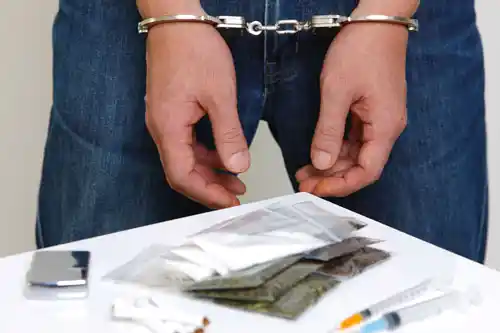
A night out in South Beach can change in an instant. One argument, one shove, one misunderstanding — and suddenly you are sitting in the back of a police car facing a battery charge. If this has happened to you or someone you love, you are not alone, and you are not without options.
Understanding battery defense is the first step toward protecting your future. The hours and days after an arrest are critical. Therefore, knowing what to expect can help you make smarter decisions and avoid costly mistakes.
At Jonathan Jay Kirschner, Esq., & Associates, LLC, our Fort Pierce criminal defense team has more than 30 years of experience defending clients against battery charges throughout St. Lucie County and beyond. We are here to guide you every step of the way.
What Is Battery Under Florida Law?
Florida law defines battery as intentionally touching or striking another person against their will. It also includes intentionally causing bodily harm to another person. This definition is broader than many people expect.
Because of this, even minor physical contact can result in a battery charge. A grab, a push, or a hit during a heated moment can all qualify. Additionally, the alleged victim does not need to suffer a visible injury for the charge to stick.
Simple Battery vs. Aggravated Battery
Simple battery is typically charged as a first-degree misdemeanor in Florida. However, the charge can escalate quickly. For example, if a weapon was involved or the alleged victim suffered serious injuries, prosecutors may pursue aggravated battery as a felony.
Furthermore, battery on certain protected individuals — such as law enforcement officers, elderly persons, or pregnant women — carries enhanced penalties. Understanding which charge you face is essential to building a strong battery defense.
What Happens Immediately After a South Beach Battery Arrest?
After police make an arrest in South Beach, they will transport you to a local detention facility for booking. This process includes fingerprinting, photographing, and recording your personal information. Meanwhile, your personal belongings will be collected and held.
Next, you will be held until your first appearance before a judge. In Florida, this must happen within 24 hours of your arrest. At that hearing, the judge sets your bail or releases you on your own recognizance.
The First Appearance Hearing
Your first appearance is not a trial. However, it is still very important. The judge reviews the circumstances of your arrest and decides whether you pose a flight risk or a danger to the community.
Moreover, the judge determines the conditions of your release. These conditions might include a no-contact order with the alleged victim. Violating any release condition can lead to additional charges and serious consequences for your case.
The Criminal Process After Your Release
After your release, the criminal process continues. First, the State Attorney’s Office reviews the arrest and decides whether to formally file charges. This decision is not automatic. Therefore, having an attorney involved early can sometimes influence this outcome.
If charges are filed, you will receive a Notice to Appear or be formally arraigned. At arraignment, you enter a plea of guilty, not guilty, or no contest. In most battery cases, entering a not guilty plea at this stage is the strategic choice.
The Discovery Phase
After arraignment, both sides exchange evidence in a process called discovery. Your attorney will review police reports, witness statements, surveillance footage, and any other evidence the prosecution plans to use against you.
Additionally, your lawyer may work with investigators or experts to gather evidence that supports your defense. For instance, surveillance footage from a South Beach venue might actually contradict the alleged victim’s account of events.
Pretrial Motions
Before trial, your attorney may file pretrial motions to strengthen your position. For example, if police violated your constitutional rights during the arrest or investigation, your lawyer can file a motion to suppress that evidence.
Furthermore, your attorney may file motions to dismiss the charges entirely if the evidence is insufficient. These motions can dramatically alter the outcome of your case. Because of this, experienced legal representation matters enormously at this stage.
Building a Strong Battery Defense Strategy
Every battery case is different. Therefore, an effective defense must be tailored to the specific facts and circumstances of your situation. At JKJ, we carefully analyze every detail to identify the strongest path forward for your case.
There are several common and effective battery defense strategies used in Florida courts. Understanding these options helps you see what a skilled attorney can do for you.
Self-Defense and the Stand Your Ground Law
Florida’s Stand Your Ground law is one of the most powerful tools in a battery defense. If you reasonably believed that force was necessary to protect yourself or someone else, you may have a valid self-defense claim.
However, this defense requires careful analysis. The facts must support a reasonable belief that you were in danger. An experienced attorney will evaluate whether Stand Your Ground applies to your specific situation.
Consent and Mutual Combat
In some cases, both parties agreed to a physical altercation. For example, two individuals may have mutually escalated a conflict. In these situations, the consent defense may be available and could weaken the prosecution’s case.
Lack of Intent
Battery requires intentional contact. Therefore, if the touching was accidental, the prosecution may not be able to prove the required intent. Additionally, if the alleged victim’s account is inconsistent or unreliable, it may be possible to cast doubt on the entire charge.
False Accusations
Unfortunately, false accusations of battery do happen. Domestic disputes, breakups, or personal conflicts can sometimes lead to exaggerated or fabricated claims. Moreover, witness misidentification in a crowded South Beach environment is a real possibility. We take every allegation seriously and dig deep to uncover the truth.
Potential Penalties for a Battery Conviction in Florida
The stakes in a battery case are significant. A first-degree misdemeanor battery conviction can result in up to one year in jail, fines, and probation. Additionally, a conviction creates a permanent criminal record that can affect employment, housing, and professional licenses.
Furthermore, a felony battery conviction carries far more severe consequences, including potential prison time. Because of this, building the strongest possible defense from day one is absolutely critical.
Residents and visitors from Fort Pierce, Port St. Lucie, Jensen Beach, Stuart, and surrounding areas have all faced these challenges. No matter where the incident occurred, the legal process is serious and deserves serious attention. Contact JKJ today to discuss your situation with an experienced criminal defense attorney.
Why Early Legal Representation Matters
Many people make the mistake of waiting too long to hire a lawyer. However, the early stages of a battery case are often the most important. Evidence can disappear, witnesses’ memories can fade, and opportunities to negotiate with prosecutors can close quickly.
Additionally, having an attorney present before charges are even formally filed can sometimes lead to a reduction or dismissal of charges. Therefore, acting fast is one of the best things you can do after a battery arrest.
At Jonathan Jay Kirschner, Esq., & Associates, LLC, our team is available 24 hours a day, seven days a week. We understand the fear and uncertainty you are feeling. Moreover, we are ready to fight tirelessly for your rights and your freedom from the very first call.
Frequently Asked Questions About Battery Arrests in Florida
Can a battery charge be dropped if the alleged victim does not want to press charges?
Not automatically. In Florida, the State Attorney’s Office — not the alleged victim — decides whether to pursue charges. However, a victim’s reluctance to cooperate can influence the prosecution’s decision. Your attorney can help navigate this dynamic effectively.
Will a battery conviction show up on a background check?
Yes. A battery conviction becomes part of your permanent criminal record in Florida. Additionally, even an arrest without a conviction can appear in background checks. Therefore, fighting the charge aggressively is always worth exploring.
What is the difference between battery and assault in Florida?
Assault involves a threat that causes someone to fear imminent harm — no physical contact is required. Battery, on the other hand, involves actual physical contact. Both are serious charges, but they carry different elements and penalties under Florida law.
Can I be charged with battery if I was defending someone else?
Possibly, yes. However, Florida law recognizes the defense of others as a justification for using force. If you acted to protect another person from harm, your attorney can raise this as part of your battery defense strategy.
How long does a battery case take to resolve?
It depends on the complexity of the case. Some cases resolve in a matter of weeks through negotiation or dismissal. Others may take several months if they proceed toward trial. Your attorney will give you a realistic assessment based on your specific facts.
Speak With an Experienced Battery Defense Attorney Today
A battery arrest is frightening. However, it does not have to define your future. With the right legal team on your side, you have a real chance at a favorable outcome. The key is acting quickly and choosing an attorney with the experience and dedication your case deserves.
Jonathan Jay Kirschner, Esq., & Associates, LLC has defended clients throughout Fort Pierce, Port St. Lucie, Jensen Beach, Stuart, and the surrounding Treasure Coast communities for more than 30 years. We know Florida’s courts, its prosecutors, and the most effective strategies for defending battery charges.
Do not face this alone. Request a consultation with our team today and let us start building your defense right away. Call us anytime — we are available around the clock to take your call and fight for you.