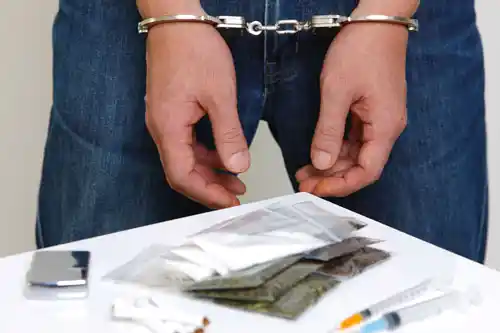
A violent crimes arrest can turn your entire life upside down in a matter of hours. One moment you are going about your day in Vero Beach, and the next you are in handcuffs facing serious criminal charges. Therefore, understanding what happens after an arrest is critical to protecting your future.
Many people feel completely lost after a violent personal crimes arrest. They do not know their rights, the process ahead, or how to find the right legal help. However, knowing what to expect at each stage can make a significant difference in how your case unfolds.
At Jonathan Jay Kirschner, Esq., & Associates, LLC, our team has more than 30 years of experience defending people across Fort Pierce, Vero Beach, Port St. Lucie, and Stuart. We are here to guide you through every step of the criminal justice process.
What Qualifies as a Violent Personal Crime in Florida?
Florida law covers a broad range of offenses under the category of violent personal crimes. These are crimes that involve physical force, the threat of force, or harm directed at another person. Because of this, prosecutors treat these charges with particular seriousness.
Common violent personal crimes in the Vero Beach and Treasure Coast area include:
- Assault and battery
- Aggravated assault or aggravated battery
- Domestic violence
- Robbery
- Carjacking
- Kidnapping
- Sexual battery
- Manslaughter or homicide
Even a misdemeanor-level violent charge can carry life-altering consequences. Furthermore, a felony conviction can affect your employment, housing, and civil rights for years to come.
The Arrest Process: What Happens First
After a violent personal crimes arrest in Vero Beach, law enforcement will take you into custody. Officers will typically read you your Miranda rights at this stage. However, many people do not fully understand what those rights mean in practice.
Your Right to Remain Silent
One of the most important things you can do immediately after an arrest is exercise your right to remain silent. Do not try to explain yourself or talk your way out of the situation. In addition, do not answer questions without your attorney present.
Anything you say to law enforcement can be used against you in court. Therefore, the safest course of action is to politely and clearly state that you are invoking your right to remain silent and that you want an attorney.
Booking and Processing
After your arrest, officers will transport you to the Indian River County Jail or another local facility. There, you will go through a booking process. This typically includes fingerprinting, photographing, and collecting your personal property.
Next, law enforcement will formally record the charges against you. Meanwhile, the information about your arrest becomes part of the public record. This is why acting quickly to retain a criminal defense attorney is so important.
The First Appearance Hearing
Florida law requires that you appear before a judge within 24 hours of your arrest. This is called the First Appearance or Initial Appearance hearing. At this stage, the judge will review the charges and determine whether probable cause exists to hold you.
Additionally, the judge will set or deny bail at this hearing. The amount of bail depends on several factors, including the severity of the charge, your criminal history, and whether you are considered a flight risk or a danger to the community.
Bail and Bond Options in Vero Beach
If the judge sets bail, you or your family may pay the full amount or use a bail bondsman. A bondsman typically charges a non-refundable percentage of the total bail amount. On the other hand, if you cannot afford bail, you may remain in custody until your case is resolved.
Moreover, a skilled defense attorney can argue on your behalf at the First Appearance to request a lower bail or your release on your own recognizance. This is one of the earliest and most important ways that legal representation can help you.
Formal Charges: The Arraignment Stage
After the First Appearance, the State Attorney’s Office will review the evidence and decide whether to formally file charges. This process is called prosecutorial review, and it can take days or even weeks depending on the complexity of the case.
If the state files charges, you will be scheduled for an arraignment. At the arraignment, you will enter a formal plea of guilty, not guilty, or no contest. In most violent crimes cases, your attorney will advise you to plead not guilty at this stage to preserve your options.
Why Pleading Not Guilty Is Often the Right First Step
Pleading not guilty does not mean you are claiming innocence in a final sense. Instead, it opens the door to the full discovery process. As a result, your attorney can review all of the evidence the state plans to use against you.
Furthermore, a not guilty plea gives your legal team time to investigate your case, challenge evidence, and potentially negotiate a better outcome. Rushing into a guilty plea without understanding all your options can seriously harm your future.
Building Your Defense After a Violent Crimes Arrest
The period between your arraignment and trial is when the real work of your defense begins. Your attorney will gather evidence, interview witnesses, and review police reports and surveillance footage. Additionally, your legal team may work with independent investigators and expert witnesses to build the strongest possible defense.
At Jonathan Jay Kirschner, Esq., & Associates, we take a comprehensive approach to every case. We carefully analyze every detail of the evidence against you. Then we identify the most effective defense strategies available under Florida law.
Common Defense Strategies in Violent Personal Crimes Cases
Defense strategies vary depending on the facts and circumstances of each case. However, some of the most commonly used approaches in violent crimes cases include:
- Self-defense or Stand Your Ground: Florida’s Stand Your Ground law may apply if you reasonably believed force was necessary to protect yourself.
- Defense of others: You may have acted to protect another person from harm.
- Lack of intent: Some violent crimes require proof of specific intent, which the state must establish beyond a reasonable doubt.
- Mistaken identity: Eyewitness testimony is not always reliable, and your attorney can challenge its accuracy.
- Unlawful search and seizure: Evidence obtained illegally may be suppressed and kept out of court.
Because of this wide range of options, it is essential to work with an experienced attorney who understands which strategy fits your specific situation. Our team serves clients throughout Fort Pierce, Vero Beach, Port St. Lucie, Stuart, and the surrounding Treasure Coast communities.
If you are facing charges, do not wait to get legal help. Contact the JKJ Team today to schedule a consultation and start building your defense right away.
Plea Negotiations vs. Going to Trial
Not every violent crimes case goes to trial. In many situations, your attorney may negotiate with the prosecutor to reach a plea agreement. A plea deal can sometimes result in reduced charges or a lighter sentence. However, accepting a plea is a major decision that requires careful consideration.
On the other hand, if the evidence is in your favor or the state’s case is weak, taking your case to trial may be the better path. Your attorney will explain the potential risks and benefits of each option so you can make an informed decision.
What Happens at Trial
If your case goes to trial, both sides will present evidence and arguments before a judge or jury. The state must prove your guilt beyond a reasonable doubt. Therefore, a strong defense that creates reasonable doubt can be the key to an acquittal.
Trial preparation involves reviewing evidence, preparing witnesses, and developing compelling courtroom arguments. Our attorneys know the procedures and practices of local courts throughout Indian River County and St. Lucie County. This knowledge helps us anticipate and counter the prosecution’s strategy.
Frequently Asked Questions About Violent Crimes Arrests in Vero Beach
How long will my case take to resolve?
The timeline varies significantly depending on the severity of the charges and the complexity of the case. Some cases resolve in a few months, while others may take a year or longer. Your attorney can give you a more accurate estimate after reviewing your specific situation.
Can I get a violent crimes charge reduced or dismissed?
Yes, in some cases charges can be reduced or dismissed. This may happen if evidence is suppressed, if witnesses are unreliable, or if the state lacks sufficient proof. An experienced attorney will explore every available option to achieve the best outcome for you.
What are the penalties for violent crimes convictions in Florida?
Penalties depend on the specific charge and whether it is classified as a misdemeanor or felony. Moreover, Florida’s sentencing guidelines and any prior criminal history will factor into the outcome. Convictions can result in prison time, fines, probation, and a permanent criminal record.
Should I speak to police without an attorney present?
No. You should always have an attorney present before speaking with law enforcement about your charges. Even innocent statements can be misinterpreted or used against you in court. Therefore, invoke your right to counsel immediately.
What should I do if I was wrongly accused?
Being wrongly accused of a violent crime is a serious situation that requires immediate legal action. Do not attempt to handle it on your own. Instead, contact an experienced criminal defense attorney as soon as possible to begin gathering evidence and building your defense.
Protect Your Future — Contact the JKJ Team Today
A violent personal crimes arrest in Vero Beach does not have to define the rest of your life. However, the decisions you make in the hours and days immediately following your arrest can have a lasting impact on your case. Therefore, acting quickly to secure experienced legal representation is one of the most important steps you can take.
At Jonathan Jay Kirschner, Esq., & Associates, LLC, we are available 24 hours a day, seven days a week to take your call. Our team is committed to providing skilled, compassionate, and aggressive representation to every client we serve. We proudly defend clients throughout Fort Pierce, Vero Beach, Port St. Lucie, Stuart, and the entire Treasure Coast region.
No matter the circumstances of your case, you deserve a strong and dedicated defense. Talk with a legal expert on our team today and let us fight for your rights and your freedom. Contact the JKJ Team now to request your consultation and take the first step toward protecting your future.