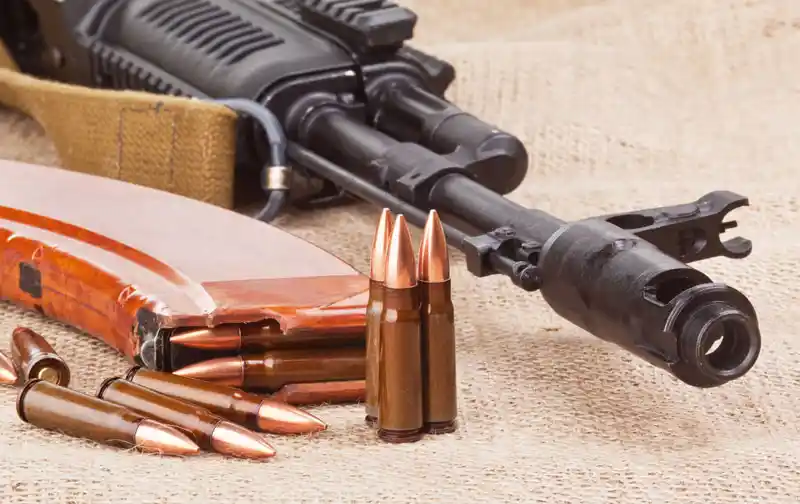
Gun-related arrests in Hutchinson Island can quickly turn into serious criminal prosecutions. Whether the allegation involves unlawful possession, improper display, or use of a firearm during a confrontation, the way evidence is handled can significantly affect the outcome. In cases involving Firearm Violations and broader Violent Personal Crimes, understanding how law enforcement processes evidence is critical. Jonathan Jay Kirschner, Esq., & Associates carefully reviews every stage of firearm evidence handling to protect clients’ constitutional rights.
Hutchinson Island cases are typically prosecuted within Florida’s Nineteenth Judicial Circuit, serving Martin, St. Lucie, Indian River, and Okeechobee counties. Because gun allegations can elevate charges and sentencing exposure, strict evidence procedures matter.
Step 1: Initial Seizure of the Firearm
Evidence processing begins when law enforcement seizes a firearm. Officers may recover a weapon during:
- A traffic stop
- A domestic disturbance call
- A search warrant
- A consensual vehicle search
- An arrest for another offense
- A probation compliance check
At this stage, officers must follow constitutional rules. If police lacked probable cause, valid consent, or a lawful warrant, the seizure may be challenged in court.
In Domestic Violence cases, officers frequently secure firearms at the scene, especially if they believe safety is at risk. However, safety concerns do not override constitutional protections.
Step 2: Securing and Documenting the Weapon
After seizure, officers document the firearm. This typically includes:
- Recording the make and model
- Logging the serial number
- Photographing the weapon
- Describing its condition
- Noting whether it was loaded
- Collecting any ammunition
Proper documentation establishes the foundation for what is called the “chain of custody.” This chain tracks who handled the firearm and when.
Errors at this stage can create problems for prosecutors later.
Step 3: Evidence Storage and Chain of Custody
Once documented, the firearm is placed into secure evidence storage. Law enforcement agencies must maintain strict chain-of-custody procedures to show:
- Who collected the firearm
- Who transported it
- Who logged it into evidence
- Whether it was transferred for testing
- When it was removed or returned
If there are unexplained gaps in custody records, the defense may argue that the evidence was mishandled or tampered with.
In cases involving Violent Personal Crimes, especially those alleging Aggravated Assault with a Deadly Weapon, the integrity of the firearm evidence becomes central to the prosecution’s case.
Step 4: Forensic Testing
Depending on the allegations, the firearm may undergo forensic analysis. Testing may include:
- Fingerprint analysis
- DNA swabbing
- Ballistics testing
- Trigger function evaluation
- Gunshot residue testing
If prosecutors claim the firearm was discharged, ballistics experts may compare bullets or casings to the weapon.
However, forensic testing must follow proper protocols. The defense may challenge:
- Contamination risks
- Incomplete testing
- Failure to test alternative suspects
- Inconclusive results presented as definitive
Testing errors can weaken the prosecution’s theory.
Step 5: Digital and Contextual Evidence
Gun cases often involve more than the weapon itself. Officers may collect:
- Body camera footage
- Surveillance video
- Text messages
- Social media posts
- 911 recordings
- Witness statements
In Hutchinson Island cases involving nightlife, tourism, or shared vehicles, digital evidence may shape how prosecutors frame intent or motive.
For example, if a firearm is found during a Drug Possession Case or during an investigation tied to Sex Crime Defense or Computer Solicitation, prosecutors may attempt to connect the weapon to broader criminal conduct.
Because online activity can influence public perception and jury impressions, digital context must be carefully reviewed.
Step 6: Presentation in Court
Before trial, prosecutors must disclose firearm evidence to the defense through discovery. The defense then evaluates:
- Whether the search was lawful
- Whether possession can be proven
- Whether the firearm was accessible
- Whether the accused had knowledge of it
- Whether the weapon qualifies under the charged statute
If possession is based on constructive possession—such as a shared vehicle or residence—the State must prove both knowledge and control.
At trial, prosecutors typically introduce the firearm through officer testimony and chain-of-custody documentation. If the defense identifies procedural flaws, it may file motions to suppress or exclude the evidence.
Common Defense Challenges in Gun Cases
Defense attorneys in Hutchinson Island firearm cases often examine:
- Unlawful traffic stops
- Invalid consent searches
- Lack of probable cause
- Incomplete chain-of-custody records
- Weak forensic results
- Misidentification of ownership
- Failure to prove knowledge
In many Firearm Violations, the case hinges not on the weapon itself but on whether prosecutors can prove lawful possession standards were violated.
Why Early Legal Intervention Matters
Gun charges can carry severe penalties, including jail, probation, fines, and long-term firearm restrictions. If the case also involves Violent Personal Crimes, sentencing exposure increases significantly.
Early representation allows a defense attorney to:
- Secure body camera footage
- Review search procedures
- Preserve favorable evidence
- Challenge improper testing
- Negotiate strategically
- Prepare for trial if necessary
The sooner the defense begins reviewing evidence processing, the stronger the position becomes.
Speak With a Hutchinson Island Firearm Defense Attorney
Jonathan Jay Kirschner, Esq., & Associates represents clients facing Firearm Violations and other Violent Personal Crimes throughout Hutchinson Island, Fort Pierce, Port St. Lucie, Stuart, Vero Beach, Okeechobee, Martin County, Indian River County, and South Beach.
Whether your case involves unlawful possession, Aggravated Assault with a Deadly Weapon, or related charges, the firm focuses on protecting your rights and your future.
Jonathan Jay Kirschner, Esq., & Associates is committed to providing aggressive, personalized criminal defense throughout the Treasure Coast.
📞 Schedule a confidential consultation today.
📍 Speak directly with an experienced criminal defense attorney.
⚖️ Get immediate legal guidance to protect your rights and your future.