When police find a weapon during an arrest in Hutchinson Island, the case can become more serious immediately. A simple arrest may turn into a case involving Firearm Violations, Aggravated Assault with a Deadly Weapon, Violent Personal Crimes, Domestic Violence, or even additional charges tied to a Drug Possession Case, Sex Crime Defense, or Computer Solicitation investigation. At Jonathan Jay Kirschner, Esq., & Associates, the defense team carefully reviews how police found the weapon, whether the search was lawful, and whether prosecutors can actually connect the weapon to the accused.
Why a Weapon Can Change the Case
A weapon can increase the seriousness of a criminal charge because prosecutors may argue that it created danger, showed intent, or made the alleged offense more threatening. Even if no one suffered an injury, the presence of a firearm, knife, tool, or other alleged weapon can affect bond conditions, plea negotiations, sentencing risk, and future record consequences.
However, the presence of a weapon does not automatically prove guilt. Prosecutors must still prove the accused knowingly possessed it, used it unlawfully, or connected it to the alleged crime.
Common Weapons Found During Arrests
Police may report many different objects as weapons, depending on the facts of the case. These may include:
- Firearms
- Knives
- Ammunition
- Brass knuckles or prohibited items
- Tools
- Bats or blunt objects
- Vehicles allegedly used as weapons
- Objects found in a bag, car, home, or hotel room
Because prosecutors may describe an object as a weapon even when the defense disagrees, the details matter.
Firearm Violations After an Arrest
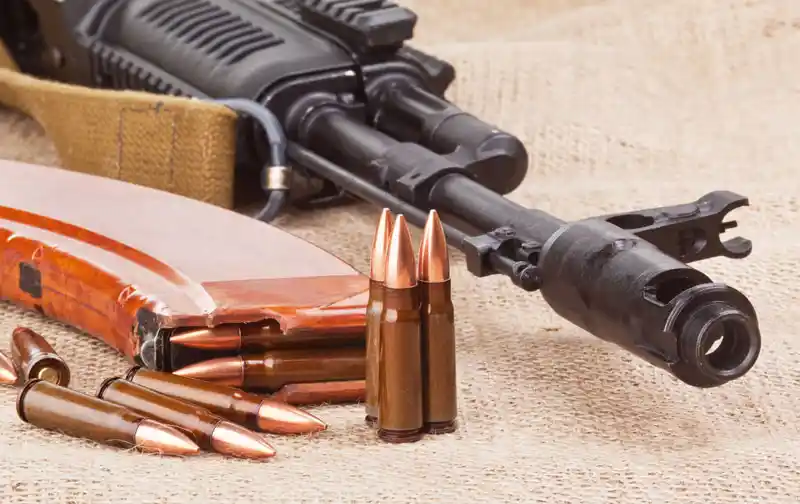
If officers find a gun during an arrest, prosecutors may consider Firearm Violations. These cases may involve unlawful possession, improper display, carrying in a prohibited place, possession by a prohibited person, or firearm possession connected to another alleged crime.
A defense attorney may ask:
- Did police find the firearm during a lawful search?
- Did the accused know the firearm was present?
- Did someone else own or control the firearm?
- Was the firearm in a shared vehicle, room, or bag?
- Did officers handle and document the weapon properly?
- Did the weapon have any connection to the alleged offense?
These questions can affect whether the firearm evidence holds up in court.
Aggravated Assault With a Deadly Weapon
If prosecutors claim the accused threatened someone while using or displaying a weapon, they may pursue Aggravated Assault with a Deadly Weapon. This type of charge often appears in cases involving arguments, road rage incidents, domestic disputes, neighbor conflicts, or public confrontations.
However, prosecutors must prove more than the fact that a weapon existed. They may need to show that the accused intentionally threatened another person and that the alleged victim feared immediate harm.
Therefore, the defense may focus on self-defense, witness inconsistencies, lack of intent, missing video evidence, or whether the alleged victim misunderstood what happened.
Weapons and Violent Personal Crimes
When a weapon appears in a case involving Violent Personal Crimes, prosecutors may take a more aggressive approach. They may argue that the weapon increased the danger or supported a harsher penalty.
Still, the defense must examine the full context. For example, the accused may have lawfully possessed the weapon, acted in self-defense, never displayed it, or shared the area where police found it with other people.
A weapon found nearby does not always prove that the accused used it during the alleged offense.
Domestic Violence and Weapon Allegations
Weapon allegations can create major complications in Domestic Violence cases. A domestic violence arrest involving a firearm, knife, or other weapon may lead to stricter bond conditions, no-contact orders, firearm restrictions, and greater concern from prosecutors.
Because domestic violence cases often involve relationship history, emotional arguments, custody disputes, jealousy, or prior conflict, the defense must review the full story. Text messages, 911 calls, body camera footage, witness statements, and physical evidence may all affect the outcome.
Weapons Found During Drug Arrests
A weapon may also appear during a Drug Possession Case. For example, police may claim they found drugs and a firearm in the same vehicle, room, or bag. Prosecutors may then argue that the weapon made the case more serious.
However, the defense may challenge whether the accused controlled the area, knew about the weapon, or had any connection to it. In shared spaces, prosecutors may struggle to prove possession beyond a reasonable doubt.
Search and Seizure Issues
Many weapon cases depend on how police found the weapon. Officers must follow legal rules when they stop, search, detain, or arrest someone.
A defense attorney may review:
- The reason for the stop or arrest
- Whether police had consent to search
- Whether officers had probable cause
- Whether a search warrant existed
- Whether police searched beyond legal limits
- Whether body camera footage matches the report
- Whether officers properly preserved the weapon
If police violated constitutional rights, the defense may ask the court to suppress the weapon evidence. Consequently, prosecutors may lose a major part of their case.
Digital Evidence and Related Charges
Sometimes, a weapon arrest leads police to search phones, messages, social media, or cloud accounts. This can create additional risks if investigators claim they found evidence related to Sex Crime Defense, Computer Solicitation, threats, or other allegations.
Because digital evidence can be incomplete or misleading, a careful assessment of messages, timestamps, account access, and search procedures can become important.
Speak With a Hutchinson Island Criminal Defense Attorney
If police found a weapon during your arrest in Hutchinson Island, do not assume prosecutors have a strong case. The search, ownership, possession, intent, witness statements, and police conduct may all create defense opportunities.
Jonathan Jay Kirschner, Esq., & Associates represents clients facing serious criminal charges throughout Hutchinson Island, Fort Pierce, Port St. Lucie, Stuart, Vero Beach, Okeechobee, Martin County, Indian River County, and South Beach.
Jonathan Jay Kirschner, Esq., & Associates is committed to providing aggressive, personalized criminal defense throughout the Treasure Coast.
📞 Schedule a confidential consultation today.
📍 Speak directly with an experienced criminal defense attorney.
⚖️ Get immediate legal guidance to protect your rights and your future.