Forensic analysis can play a major role in Port St Lucie criminal cases, especially when prosecutors rely on phones, computers, DNA, fingerprints, weapons, medical records, photos, videos, or digital accounts. At Jonathan Jay Kirschner, Esq., & Associates, the defense team carefully reviews forensic evidence because cases involving Violent Personal Crimes, Domestic Violence, Firearm Violations, Aggravated Assault with a Deadly Weapon, Sex Crime Defense, Computer Solicitation, or a Drug Possession Case often depend on how investigators collect, test, and interpret evidence.
What Is Forensic Analysis?
Forensic analysis means investigators examine evidence using scientific, technical, or specialized methods. Prosecutors may use forensic results to connect a person to a crime, support witness statements, build a timeline, or challenge a defendant’s version of events.
However, forensic evidence does not automatically prove guilt. Investigators can make mistakes. Labs can misinterpret results. Police may collect evidence improperly. In addition, forensic findings often need context before they can fairly support a criminal charge.
Therefore, a defense attorney must review both the evidence and the process behind it.
Common Types of Forensic Evidence
Forensic analysis may involve many forms of evidence, depending on the case. In Port St Lucie, criminal investigations may include:
- DNA evidence
- Fingerprints
- Firearm or weapon testing
- Drug testing
- Phone and computer data
- Photos and videos
- Medical reports
- Location data
- Social media records
- Search history
- Clothing or physical evidence
- Blood, hair, or other biological material
Each type of evidence raises different legal and technical questions. As a result, the defense must examine how investigators handled every item from the beginning.
Forensic Analysis in Violent Personal Crimes
In Violent Personal Crimes, prosecutors may use forensic evidence to support claims of injury, weapon use, physical contact, or intent. For example, they may rely on photos, medical reports, blood evidence, fingerprints, or body camera footage.
However, that evidence may not show the full picture. A medical report may confirm an injury but not prove who caused it. A fingerprint may show contact with an object but not prove criminal intent. Likewise, a photo may look serious while leaving out the events that happened before or after.
Because of this, the defense may challenge whether the forensic evidence truly supports the prosecution’s version.
Firearm Violations and Weapon Testing
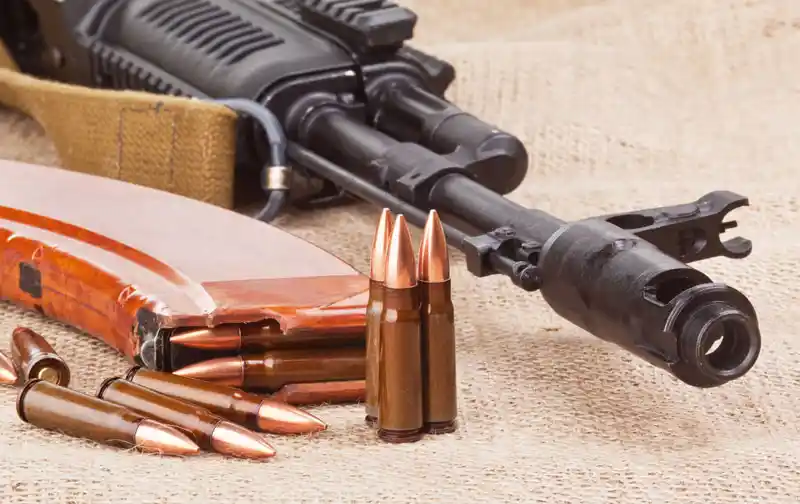
When a case involves Firearm Violations or Aggravated Assault with a Deadly Weapon, investigators may test firearms, ammunition, shell casings, fingerprints, or residue. Prosecutors may argue that this evidence connects the accused to a weapon or violent threat.
However, the defense may ask important questions:
- Did police find the weapon legally?
- Did officers handle the evidence correctly?
- Did anyone else have access to the weapon?
- Does the testing actually connect the accused to the incident?
- Did witnesses exaggerate how the weapon appeared?
- Does self-defense explain the situation?
These questions can become critical when prosecutors rely heavily on forensic results.
Digital Forensic Analysis
Digital forensic analysis often appears in Sex Crime Defense, Computer Solicitation, CSAM, Domestic Violence, and online threat cases. Investigators may search phones, computers, tablets, cloud accounts, apps, messages, photos, videos, and location data.
However, digital evidence can create confusion. A device may have multiple users. Cloud accounts may sync files automatically. Screenshots may leave out context. In addition, timestamps may not always tell the full story.
A defense attorney may review:
- Search warrants
- Device ownership
- Account access
- Login history
- Metadata
- File paths
- Deleted or recovered files
- Message history
- App activity
- Chain of custody
When digital evidence affects reputation, employment, family life, and public precision, careful forensic review becomes essential.
Forensic Evidence in Drug Possession Cases
In a Drug Possession Case, prosecutors may rely on lab testing to identify a substance. They may also use fingerprints, packaging, body camera footage, or vehicle search evidence.
However, the defense may challenge whether the accused knew about the substance, controlled the area where police found it, or had exclusive access to the location. Additionally, if police searched a vehicle, bag, or home unlawfully, the defense may challenge the evidence before trial.
Chain of Custody Problems
Chain of custody refers to how police collect, label, store, transfer, and test evidence. If officers or lab workers fail to document the evidence properly, the defense may question whether the item tested is the same item collected.
Chain of custody problems may involve:
- Missing labels
- Poor storage
- Unclear transfer records
- Contamination risks
- Delayed testing
- Incomplete reports
- Mishandled devices or files
Consequently, weak chain of custody can reduce the reliability of forensic evidence.
How Defense Attorneys Challenge Forensic Analysis
A strong defense does not accept forensic results without review. Instead, defense attorneys examine whether investigators followed proper procedures, whether the testing method was reliable, and whether the conclusions match the actual evidence.
Defense strategies may include:
- Challenging unlawful searches
- Reviewing lab reports
- Comparing forensic results with witness statements
- Questioning police procedures
- Consulting independent experts
- Reviewing digital metadata
- Exposing contamination risks
- Challenging unsupported conclusions
Ultimately, the goal may involve dismissal, reduced charges, stronger plea negotiations, or trial preparation.
Speak With a Port St Lucie Criminal Defense Attorney
If forensic evidence plays a role in your Port St Lucie criminal case, do not assume prosecutors have a complete or accurate picture. Forensic analysis can help the defense when attorneys review it early and challenge weak, incomplete, or unlawfully obtained evidence.
Jonathan Jay Kirschner, Esq., & Associates represents clients throughout Port St Lucie, Fort Pierce, Stuart, Vero Beach, Okeechobee, Hutchinson Island, Martin County, Indian River County, and South Beach.
Jonathan Jay Kirschner, Esq., & Associates is committed to providing aggressive, personalized criminal defense throughout the Treasure Coast.
📞 Schedule a confidential consultation today.
📍 Speak directly with an experienced criminal defense attorney.
⚖️ Get immediate legal guidance to protect your rights and your future.