South Beach & Coastal Barrier Defense Analysis

How Evidence Can Shape a Internet Crime Case in South Beach

Forensic Defense Summary South Beach Courtroom Evidentiary Reality

In South Beach internet crime investigations across the coastal barrier, digital evidence only proves guilt if the State can legally connect a router's internet protocol to an individual sitting at a keyboard. Under Florida Statute § 933.05, search warrants must be executed within 10 days, and indiscriminate seizures of personal electronic devices violate Fourth Amendment particularity standards. Across South Beach's oceanfront condominiums, high-turnover vacation rentals, and public beach parks, an IP address merely pinpoints a modem gateway, leaving significant attribution gaps that targeted forensic cross-examination frequently dismantles before trial.

10 Days Mandatory warrant execution & return window under Fla. Stat. § 933.05
0 Identity An IP address identifies a modem gateway, not a human perpetrator
4th Amend. Strict particularity required for electronic device search warrants

Along the barrier island shoreline of South Beach—spanning oceanfront condominiums, residential estates, coastal resorts, and waterfront dining corridors along South Ocean Drive and Seaway Drive—internet crime investigations present intricate technical and jurisdictional hurdles. When detectives from the St. Lucie County Sheriff’s Office, Fort Pierce Police Department, or regional cyber units within the Florida Department of Law Enforcement (FDLE) initiate a prosecution, they routinely frame digital records as incontrovertible scientific evidence. Officers arrive armed with internet protocol (IP) connection logs, router subscriber sheets, and automated mobile extraction dumps, seeking to convince judges and suspects that digital footprints are equivalent to physical fingerprints left at a crime scene.

In Florida criminal courts, however, digital evidence is fraught with procedural vulnerabilities, network transmission gaps, and authentication hurdles. Under the Florida Evidence Code (Florida Statutes Chapter 90) and the Fourth Amendment to the United States Constitution, electronic records do not speak for themselves. Board Certified Criminal Trial Specialist Jonathan Jay Kirschner routinely analyzes these technical cracks to prevent prosecutors from substituting digital assumptions for real courtroom proof beyond a reasonable doubt.

Can an IP Address Alone Prove Guilt in South Beach Cyber Prosecutions?

The standard opening salvo in a South Beach cyber investigation involves an administrative subpoena served upon an Internet Service Provider (ISP)—such as Comcast Xfinity, AT&T Fiber, or specialized hospitality broadband carriers. The ISP responds with an account record identifying the individual who pays for the monthly internet modem servicing a specific residential unit, beachfront rental, or commercial property on the barrier island.

Prosecutors frequently operate on the presumption that the account subscriber must be the individual who transmitted an unlawful electronic communication, committed computer fraud under Florida Statute § 815.06, or engaged in cyberstalking under Florida Statute § 784.048. From a digital forensics and constitutional perspective, this assumption is fatally deficient due to three specific barrier island realities:

  • Gateway Resolution vs. User Attribution: An IP address resolves exclusively to an external network interface card or hardware modem. It does not identify the specific human being sitting behind the keyboard, tapping a mobile screen, or transmitting data packets.
  • High-Turnover Vacation Rentals & Seasonal Condominiums: South Beach features a dense concentration of short-term vacation rentals (Airbnb, VRBO) and seasonal snowbird condominiums. A single broadband router routinely services dozens of rotating guests, cleaning crews, maintenance staff, and visiting tenants throughout the year, all using shared wireless credentials.
  • Public Beach Access & RF Signal Spillover: High-output wireless routers and mesh network access points installed in oceanfront residences transmit radio frequencies hundreds of feet across balconies, boardwalks, pool pavilions, and public beach parking areas. Unsecured guest networks or factory-default router credentials allow unauthorized third parties to route illicit web traffic through an innocent homeowner's internet gateway from parked vehicles or public sands without their knowledge.
The Florida Attribution Standard: Florida courts have repeatedly held that mere proof that an offense was committed using an internet connection registered in a defendant's name is legally insufficient, standing alone, to sustain a criminal conviction. The State must establish direct physical custody of the keyboard and active operation of the device during the precise seconds the alleged digital transmission occurred.

How Digital Evidence Fails Under Forensic and Courtroom Scrutiny

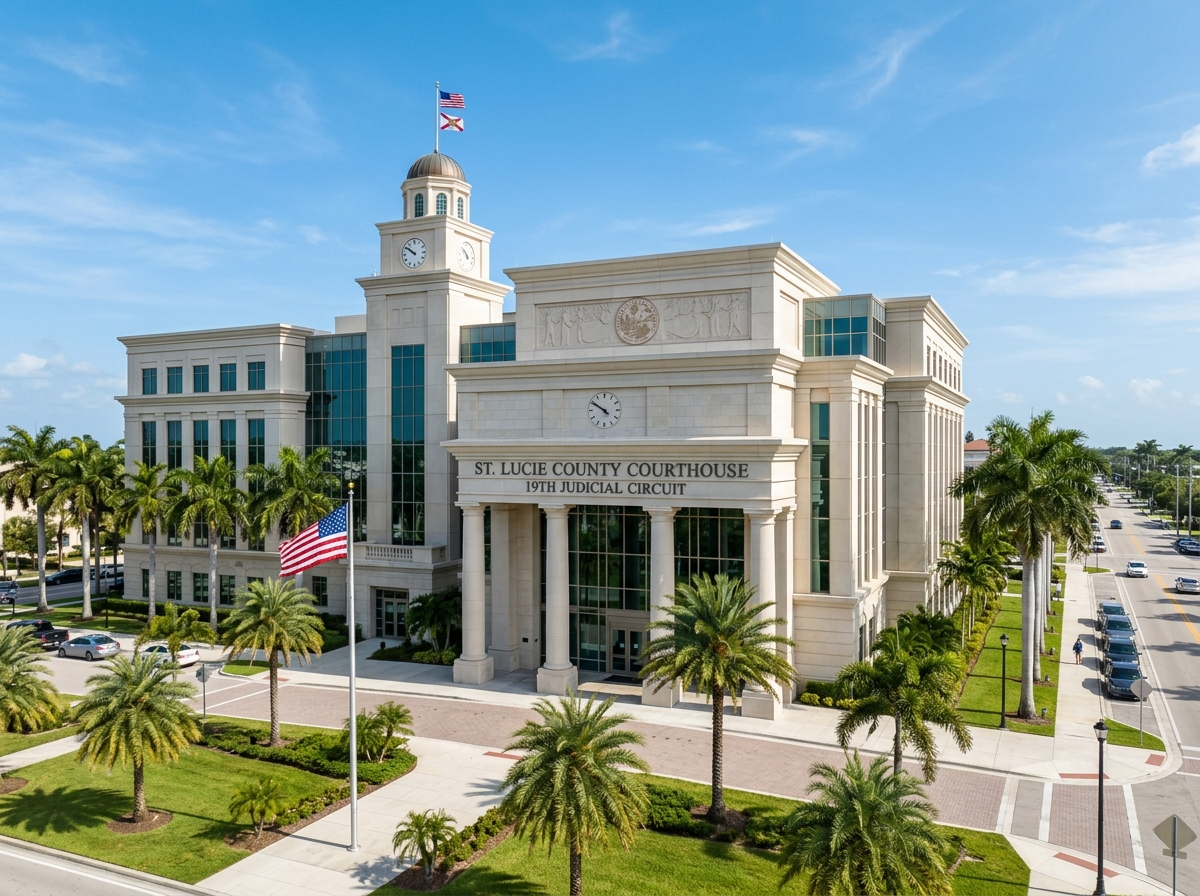
Electronic evidence frequently collapses when subjected to thorough cross-examination and independent technical defense testing. The table below illustrates how common categories of digital evidence compare between the State's theory and the legal reality in the St. Lucie County Courthouse:

Evidence Category Prosecution Theory Critical Defense Vulnerability 19th Judicial Circuit Courtroom Reality
IP Address & ISP Subpoenas Proves the subscriber committed the cyber offense from their South Beach residence. Identifies only the modem gateway; cannot distinguish between household members, seasonal rental guests, contractors, or drive-by Wi-Fi users. Insufficient for conviction without corroborating physical device evidence or sworn admissions.
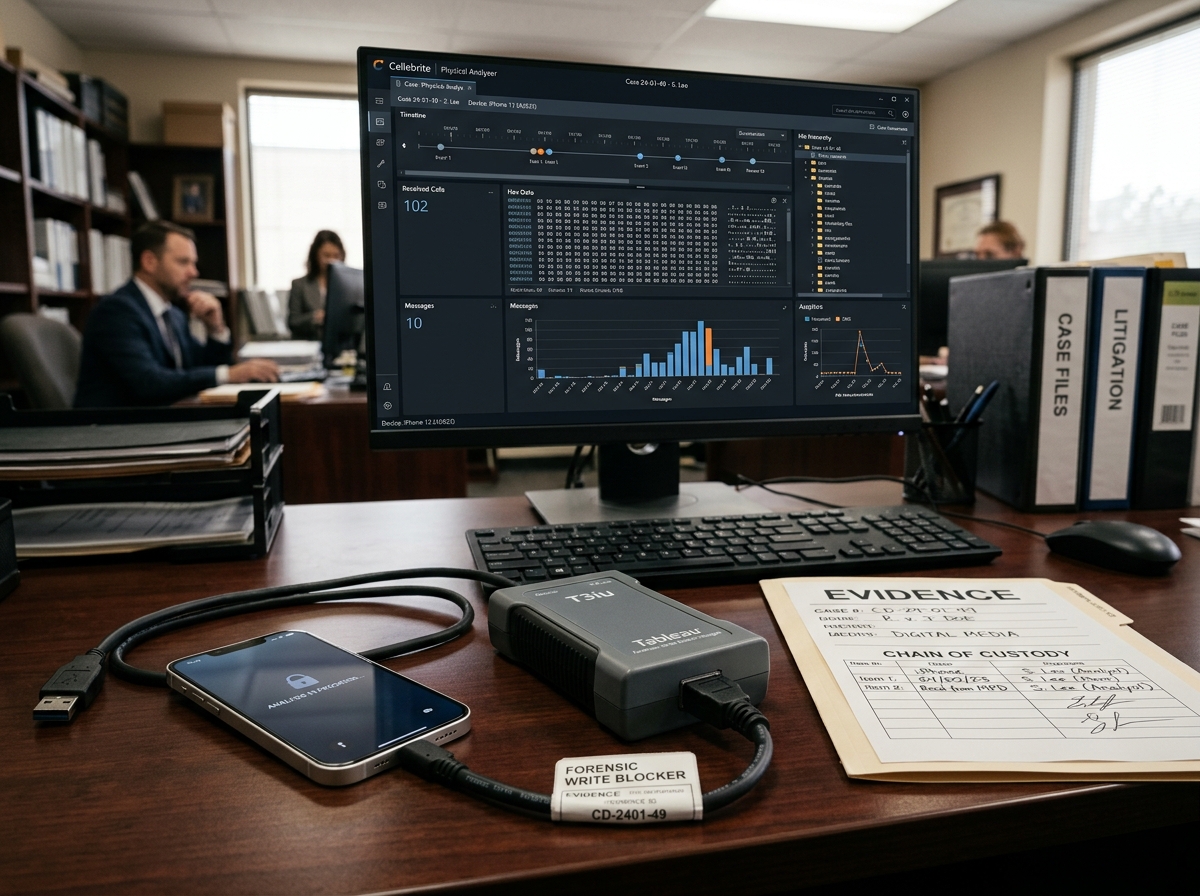
Cellebrite Mobile Extractions Extracts deleted chats, browser history, and geolocation data as conclusive proof of intent. Extraction often exceeds the 4-corners warrant scope; timestamps frequently misalign due to UTC and daylight saving shifts. Subject to Fourth Amendment suppression motions if detectives perform general exploratory searches.
Cloud Backups & Geofence Warrants Places the device within proximity of an alleged event or illegal file transfer. Reverse-location geofences sweep in hundreds of innocent citizens along beachfront corridors without individualized probable cause. Increasingly struck down under Florida search warrant particularity requirements.
Peer-to-Peer File Hashes Automated software claims a full digital file was shared from the target IP address. Software frequently logs partial packet swarms without verifying whether a complete, decipherable file ever existed on the drive. Forensic drive analysis by defense experts often proves file absence or corruption.

How Search Warrants for Devices Violate the Fourth Amendment

In digital crime investigations on South Beach, search warrants represent the critical constitutional battleground. Because modern smartphones, tablets, and personal computers contain massive quantities of private data—including years of banking records, privileged medical history, personal photography, and confidential correspondence—the United States Supreme Court in Riley v. California established that digital devices require heightened constitutional protection.

Under Florida Statute § 933.05, search warrants issued by a 19th Judicial Circuit judge must be executed and returned within 10 days from the date of issuance. Furthermore, the warrant must describe with strict particularity the specific electronic items to be searched and the precise categories of data sought. When law enforcement officers draft overbroad warrants authorizing the search of "any and all electronic storage media, photographs, messages, and files" found inside a coastal residence, the warrant functions as an unconstitutional general warrant.

Jonathan Jay Kirschner files aggressive Motions to Suppress under the Fourth Amendment and Article I, Section 12 of the Florida Constitution. When detectives examine messages outside the alleged date parameters, bypass specialized filter protocols, or seize hardware without a nexus to criminal activity, the resulting evidence can be excluded from trial, undermining the prosecution's case.

Chain of Custody and Cryptographic Hash Verification (SHA-256)

Electronic files are inherently volatile. A single power cycle, an automatic operating system update, or connecting a phone to a live cellular network alters system metadata, rewrites temporary caches, and destroys original access timestamps. Forensic examiners must adhere strictly to federal standards established by the National Institute of Standards and Technology (NIST SP 800-86):

  • Physical Isolation & Faraday Shielding: Seized smartphones must be placed immediately into radio-frequency-shielding Faraday bags to prevent remote wipe commands or background data updates.
  • Hardware Write-Blockers: Before analyzing a hard drive or solid-state drive (SSD), forensic examiners must connect it through a certified hardware write-blocker to guarantee that zero bytes are modified during examination.
  • Cryptographic Hash Generation: The examiner must generate a mathematical cryptographic fingerprint (such as SHA-256 or MD5) of the original drive, make a bit-stream forensic duplicate, and verify that the hash of the clone matches the original media identically.

If the prosecution cannot establish a complete, uninterrupted chain of custody, or if hash values between the evidence intake and forensic analysis show discrepancies, the integrity of the State's entire case is compromised.

First-Hand Case Study & Forensic Defense

State of Florida v. Defendant: South Beach Cyber Dismissal

19th Judicial Circuit Court · Fort Pierce, FL
Digital forensic examination of seized computer hardware in South Beach internet crime defense
Independent forensic examination of seized computing hardware and router traffic logs, proving multi-dwelling Wi-Fi exploitation in South Beach.
Alleged Crime Fla. Stat. § 815.06 & § 784.048
Investigating Body Sheriff's Cyber Crime Detectives
Initial Evidence ISP Gateway IP Subpoena Match
Courtroom Result Nolle Prosequi / Full Dismissal

Our client was charged with felony computer tampering and aggravated stalking after detectives traced an IP address linked to unauthorized network intrusion and harassing digital correspondence back to a beachfront condominium internet subscription in South Beach. The State argued that because the transmissions matched the homeowner’s external modem gateway, the subscriber was criminally liable.

Jonathan Jay Kirschner immediately retained a certified digital forensics expert to create bit-stream forensic duplicates of all seized hardware. Analysis of the wireless router logs uncovered that factory-default administrative credentials had never been altered, and external firewall logs showed unauthorized third-party penetration from an external proxy network during the exact transmission seconds charged by the State. Compelled to prove physical custody of the keyboard, the State Attorney entered a complete dismissal.

"An IP address is an address of a router, not a set of handcuffs on a human being. On a barrier island with transient rental traffic and coastal signal spillover, the State's narrative collapses the moment we force prosecutors to prove actual physical custody of the keyboard during the precise timestamps charged."

— Jonathan Jay Kirschner, Esq., Board Certified Criminal Trial Specialist

Statutory Citations & Technical Authority References

All legal interpretations, constitutional principles, and digital forensic defense strategies in this analysis reflect Florida statutory mandates, appellate jurisprudence, and established federal forensic standards:

Florida Statutes Chapter 933 — Search Warrants & Execution Protocols Fla. Stat. § 933.05 establishes the mandatory 10-day warrant execution and return rule; § 933.18 governs private dwelling searches.
FL Statutes
National Institute of Standards and Technology (NIST) Special Publication 800-86 NIST SP 800-86 establishes the technical standards for digital forensic duplicate imaging, hash verification (SHA-256), and digital chain of custody.
NIST.gov
Florida Fourth District Court of Appeal (4th DCA) Jurisprudence Controlling appellate authority for St. Lucie, Martin, and Indian River counties regarding electronic search particularity and Fifth Amendment protections.
FL 4th DCA

Critical Defense Warning: What Never to Do in a Digital Investigation

If you suspect that detectives from St. Lucie County, Fort Pierce Police, or state cyber task forces are investigating your online activity or electronic devices in South Beach, well-intentioned instinctive reactions can permanently damage your defense:

1. Never Attempt to "Explain the Network" to Detectives

Officers often conduct informal interviews under the guise of letting you explain an innocent misunderstanding or identify who has your Wi-Fi password. In reality, statements like "I'm the only person who uses that laptop" or "I might have clicked something weird" bridge the exact evidentiary gap prosecutors struggle to prove. Exercise your absolute Fifth Amendment right to remain silent and demand counsel.

2. Never Delete Files, Reset Drives, or Clear Browser History

Under Florida Statute § 918.13, altering, destroying, or concealing physical or digital records once you know an official proceeding or investigation is pending constitutes Tampering with Physical Evidence. This is a standalone Third-Degree Felony punishable by up to 5 years in Florida State Prison—frequently resulting in harsher penalties than the underlying allegation itself. Modern forensic carving tools easily detect wiped partitions.

3. Never Provide Voluntary Consent to Search Devices

If detectives do not possess a search warrant signed by a 19th Judicial Circuit Judge, do not sign voluntary consent waiver forms or provide alphanumeric passcodes. Law enforcement must be held to the highest Fourth Amendment standards, requiring them to convince an impartial magistrate of probable cause before invading your digital privacy.

Forensic Q&A

Frequently Asked Questions: Digital Evidence & Cyber Defense

Key constitutional and forensic answers for individuals facing internet crime allegations in South Beach and the 19th Judicial Circuit.

Can police in South Beach compel you to surrender your phone passcode?

Under the Fifth Amendment privilege against self-incrimination, compelling an individual to disclose a memorized alphanumeric passcode is considered testimonial communication because it forces the suspect to reveal the contents of their mind. In Florida courts, judges cannot simply order an accused to state their password without specific evidentiary showings that the state already knows the precise contents of the device with reasonable particularity (the "foregone conclusion" doctrine).

Biometric unlocks (fingerprints or facial recognition) have been treated differently in some judicial decisions, making it imperative to consult a criminal defense attorney immediately before surrendering any access.

What is the 10-day search warrant rule under Florida Statute § 933.05?

Under Florida Statute § 933.05, every search warrant issued by a 19th Judicial Circuit magistrate must be executed and returned within 10 days from the date of issuance. If law enforcement officers fail to execute the search or properly return the warrant inventory within this strict 10-day window, the warrant becomes void by operation of law.

In digital investigations, detectives frequently seize devices within 10 days but wait months before obtaining secondary warrants or performing forensic extractions, creating ripe avenues for defense suppression motions.

How does Cellebrite mobile forensic extraction evidence get suppressed in Florida courts?

Cellebrite physical extractions decode entire mobile operating systems, pulling deleted SQLite databases, location breadcrumbs, and third-party messaging caches. Defense attorneys suppress this data when: (1) the search warrant lacked temporal boundaries, allowing detectives to inspect years of irrelevant communications; (2) officers conducted a general search exceeding the specific probable cause alleged in the warrant affidavit; or (3) software decoding errors generated false or skewed artifact timestamps.

What happens if an unauthorized guest accessed my South Beach rental or condo Wi-Fi?

Modern Wi-Fi routers transmit radio frequencies across balconies, adjacent condominium walls, and common beach areas. In vacation rentals and seasonal condominiums on South Beach, dozens of guests, service contractors, and visitors routinely connect to the same network. Defense counsel subpoenas router DHCP tables, analyzes associated MAC addresses, and performs wireless propagation surveys.

Demonstrating multiple active MAC addresses or unsecured wireless configurations establishes reasonable doubt regarding who actually initiated the unlawful online transmissions.

Jonathan Jay Kirschner, Esq.
Author & Legal Reviewer

Jonathan Jay Kirschner, Esq.

Florida Supreme Court Board Certified Criminal Trial Specialist · Admitted 1984

Jonathan Jay Kirschner has defended clients in complex criminal litigation throughout Florida's 19th Judicial Circuit for over 40 years. Board Certified continuously since August 1, 1994, he is an AV Preeminent rated litigator specializing in constitutional search suppression, digital evidence dissection, and serious felony courtroom defense.

Board Certified Specialist (1994–Present) AV Preeminent Rated Florida Bar #450375 40+ Years Practice
Legal & Forensics Accuracy Verified by Jonathan Jay Kirschner, Esq. · Updated October 2026
Immediate Constitutional Intervention

Targeted by an Internet Crime Investigation in South Beach?

Do not consent to device searches, provide passwords, or speak to detectives without experienced trial counsel. Contact Board Certified Criminal Trial Specialist Jonathan Jay Kirschner immediately to challenge digital warrants and protect your freedom.